The Allure of Risk and Reward
The psychology of gambling is intricately linked to the human experience of risk and reward. Casinos are designed to create an environment filled with excitement, enticing players to wager their money. The thrill associated with taking a chance can trigger the release of dopamine in the brain, producing feelings of euphoria tied to winning, thus reinforcing the idea that risk can lead to significant rewards, especially at places offering casino fast withdrawal uk options. This neurological reaction explains why individuals often find themselves drawn back to casinos, fervently seeking to replicate that initial rush of excitement.
Risk versus reward becomes even more compelling in the unpredictable world of casino games. The possibility of winning, especially when players perceive favorable odds, creates a magnetic pull. Emotions such as hope and anticipation can distort rational decision-making, leading individuals to believe that victories are imminent. This cognitive bias often drives players to chase their losses, ultimately increasing both the duration and the amount of money spent at the tables or machines. These patterns illustrate the addictive nature of gambling and the psychological mechanisms that fuel it.
Moreover, the social dynamics of casino games significantly contribute to the psychology of gambling. The camaraderie experienced among fellow players fosters a sense of community and shared experience, enhancing the gaming thrill. Social interactions, whether through light-hearted banter or collective anticipation during gameplay, amplify emotional responses. This intertwining of social engagement and gambling creates a compelling incentive for individuals to return, not just for the potential financial gain, but also for the connections and joy derived from shared experiences.
The Role of Superstitions and Belief Systems
Superstitions play a significant role in the gambling culture, with many players adopting various rituals or beliefs to influence their outcomes. From carrying lucky charms to following specific betting patterns, these behaviors can profoundly impact a player’s experience. In an environment characterized by unpredictability, the need for control drives many to engage in superstitious practices, offering a reassuring sense of agency. This illusion of control often fuels extended gambling sessions, as players become convinced that their actions can alter their fortunes.
Casinos often leverage these beliefs by integrating designs that promote superstitious thinking. For instance, slot machines may feature symbols deemed lucky or incorporate themes that resonate with players’ cultural beliefs. The psychological comfort derived from these elements can encourage players to invest more time and money, convinced that their luck will soon change. Such practices emphasize the influence of cognitive biases, where past outcomes shape future expectations, perpetuating a cycle of continued play and increased financial commitment.

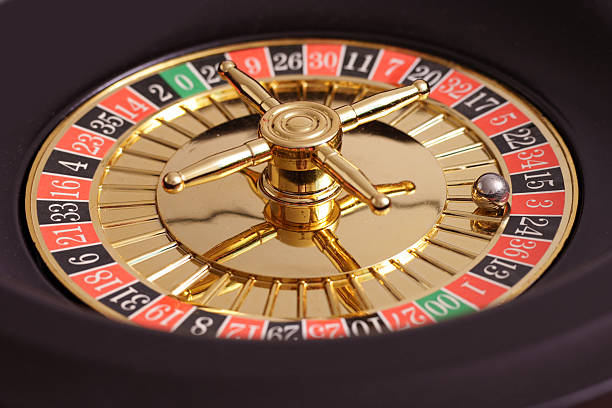
The ‘gambler’s fallacy’ is another critical aspect to consider when understanding player behavior. This fallacy arises from the erroneous belief that past outcomes can influence future events in games of chance. For example, if a player observes that a roulette ball has landed on red several times consecutively, they may irrationally conclude that black is ‘due’ to appear next. This flawed reasoning can perpetuate gambling habits, as players cling to their misconceptions despite statistical evidence suggesting otherwise. These belief systems not only reflect the cognitive processes involved but also highlight the vulnerabilities that casinos can exploit for profit.
Emotion and Decision-Making in Gambling
Emotion is a defining factor in decision-making related to gambling. The exhilaration of winning can lead to impulsive choices that disregard potential risks. When players experience emotional highs, their capacity for rational thinking diminishes, prompting them to increase their bets or engage in riskier behavior in hopes of replicating previous successes. The interplay of emotions such as excitement and fear can cloud judgment, resulting in a cycle of poor decision-making driven by the desire for winnings.
Additionally, the casino environment is meticulously crafted to elicit strong emotional responses. Bright lights, the sounds of winning, and the bustling atmosphere all contribute to an ambiance that heightens excitement. This sensory overload makes it easier for players to become engrossed in the experience, often losing track of both time and money. Understanding this emotional landscape is crucial, as it allows casinos to create spaces that encourage prolonged engagement and increased spending from their patrons.
Furthermore, the phenomenon of ‘loss aversion’ complicates the decision-making processes of gamblers. Research indicates that people experience the pain of losing more intensely than the pleasure of winning. This psychological reality drives players to continue gambling in hopes of recouping their losses, often leading to even deeper financial troubles. The strong desire to avoid loss can result in escalating bets and extended play sessions, illustrating how deeply embedded emotions can distort judgment and perpetuate gambling behavior.
The Impact of Game Design on Gambling Behavior
The design of casino games plays a pivotal role in enhancing player experience and increasing the likelihood of prolonged engagement. Features like vibrant graphics, immersive sound effects, and rewarding animations are intentionally crafted to captivate players and encourage further betting. This sophisticated design is not merely for aesthetics; rather, it is a strategic approach aimed at keeping individuals glued to their screens or gaming seats, reinforcing the addictive nature of gambling.
The concept of ‘near misses’ is particularly relevant in understanding how game design influences behavior. When players come tantalizingly close to winning, it generates a compelling desire to continue playing, as they feel they are on the brink of success. This psychological tactic is often utilized in slot machines and other games, where players may experience the sensation of being just shy of a significant win. The allure of ‘what could have been’ keeps them engaged, perpetually reaching for that elusive jackpot.
Moreover, casinos have developed reward systems that cater to players’ psychological tendencies. Loyalty programs and bonuses create a sense of entitlement, motivating players to continue gambling to achieve specific milestones or rewards. These incentives reinforce the perception that players are making progress, regardless of actual outcomes, leading them to gamble for extended periods. This combination of innovative game design and psychological manipulation creates a compelling cycle that can be challenging for players to escape.
Your Journey in the World of Gambling
Understanding the psychology behind casino games is essential for anyone who engages in gambling. By recognizing the emotional and cognitive factors at play, players can make more informed decisions and potentially mitigate the risks associated with excessive gambling. Knowledge serves as a powerful tool, and being aware of how emotions, beliefs, and game design intersect can empower individuals to manage their gambling habits effectively.
For those looking to explore the world of gambling responsibly, numerous resources are available to help navigate this complex landscape. Educating oneself about strategies, odds, and the psychological elements of gaming can enhance the experience while ensuring it remains enjoyable and safe. Whether visiting a physical casino or engaging in online gambling, a well-rounded understanding of the psychological aspects can significantly enhance the overall experience.
Moreover, fostering open discussions about gambling with friends and family can provide additional support and perspective. Creating a healthy dialogue about gaming habits encourages individuals to make choices that align with their values and goals. By prioritizing awareness and responsible gaming practices, players can enjoy the thrill of the game while minimizing the potential downsides associated with gambling, leading to a more fulfilling and sustainable relationship with gaming.
Последни коментари